


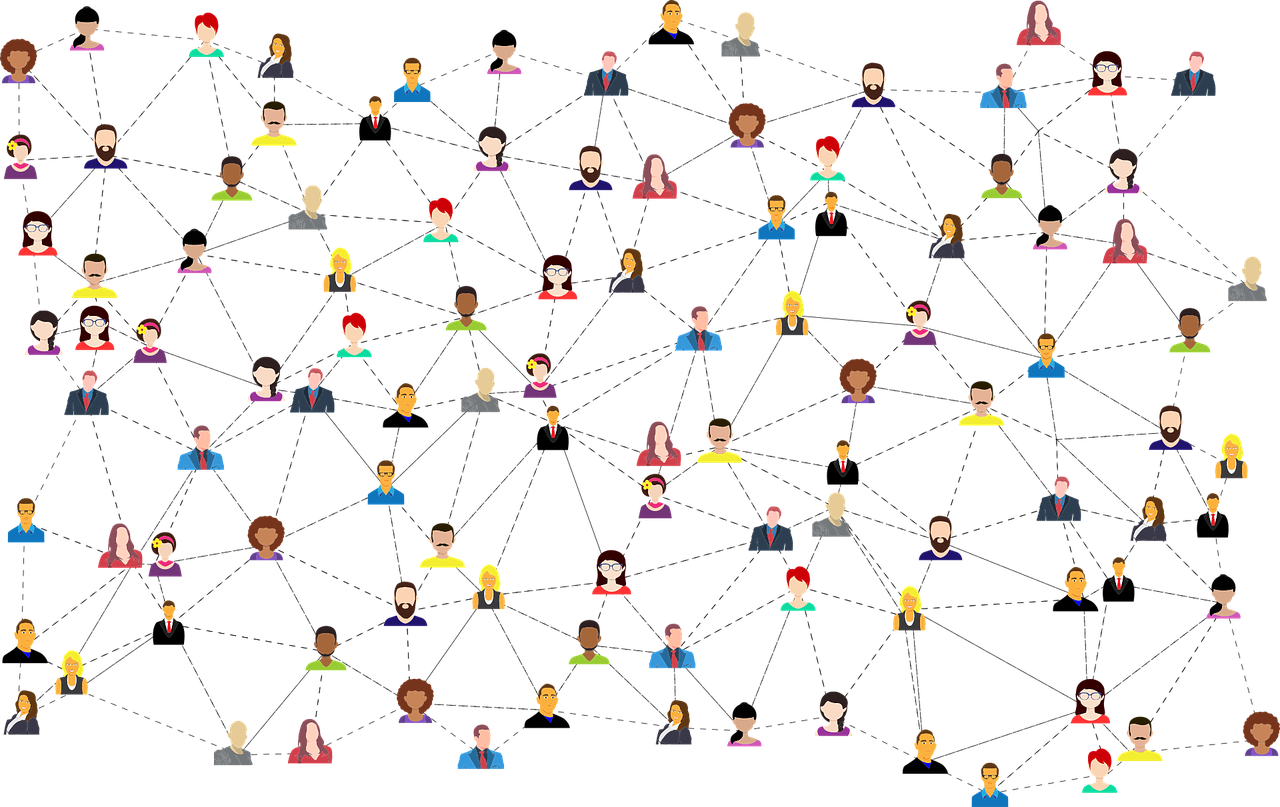
Being Autistic is a nightmare (sometimes, actually, a lot of the time). This isn’t because being Autistic is inherently good or bad, but rather because we are a minority group, and as such experience direct and indirect oppression from the privileged majority. Given that the world is designed by and for that majority, and doesn’t particularly give a shit about us and our experiences, it’s unsurprising that certain misconceptions are held about us.
One of the prevailing misconceptions is that as Autistic people we are overtly asocial beings. It is taken as common knowledge that we are the friendless weirdos who don’t understand social cues, but can recite every train we’ve ever seen.
This misperception of asociality feeds into the tragedy narrative that props up the pathology paradigm, therefore justifying our eradication as a supposed act of mercy.
The truth however is that Autistic people have a complex and satisfying culture that, despite attempts to the contrary, remains intact and keeps many of us alive. This culture comes with it’s own communication style (as evidenced by the double empathy problem) allowing us to lead social lives that are often more protective than those of an allistic neurotype.
The truth is, I am not asocial, I am Autistically social. I am AuSocial.
This AuSociality means that we have access to a community that can often be wildly supportive, and a true joy to be a part of. This community does wonders for our wellbeing, which we can see in the work of Monique Botha, looking at how community connectedness appears to have a direct and causal correlation with reduction in minority stress.
The obfuscation of our AuSociality is a good example of hermeneutical injustice, wherein a significant portion of our social experience has been obscured from sight through structural and systemic oppression and prejudice.
Of course, to admit that Autistic people are social creatures would threaten to undo decades of research. To consider that we have lives with friends and connectedness would mean that theory of mind and it’s associated phenomenon were akin to that which one might throw into a burning oil drum.
I leave you with this; should we maintain the status quo, and continue to be treated ad non-entities, beings of the void with no social value, devoid of feeling? Or should we dismantle the society that devalues and oppresses us, carving out a new society that treats us as the beautifully divergent human beings that we are?

One response to “I’m not Asocial, I’m AuSocial: Conceptualising Autistic sociality and culture”
Hooray for all you said…and what an important question you end on.